In the modern world, the line between the end of the day and bedtime is often blurred by late-night snacking, comfort eating, and grazing while streaming. While a midnight snack might feel harmless, the practice of eating just before sleep—often referred to as late-night eating or nocturnal eating—has profound and often detrimental effects on everything from metabolic health and weight management to the quality of sleep itself. The simple rule: Don’t eat when you go to sleep at night, is one of the most powerful lifestyle changes you can adopt for profound physical and cognitive benefits.
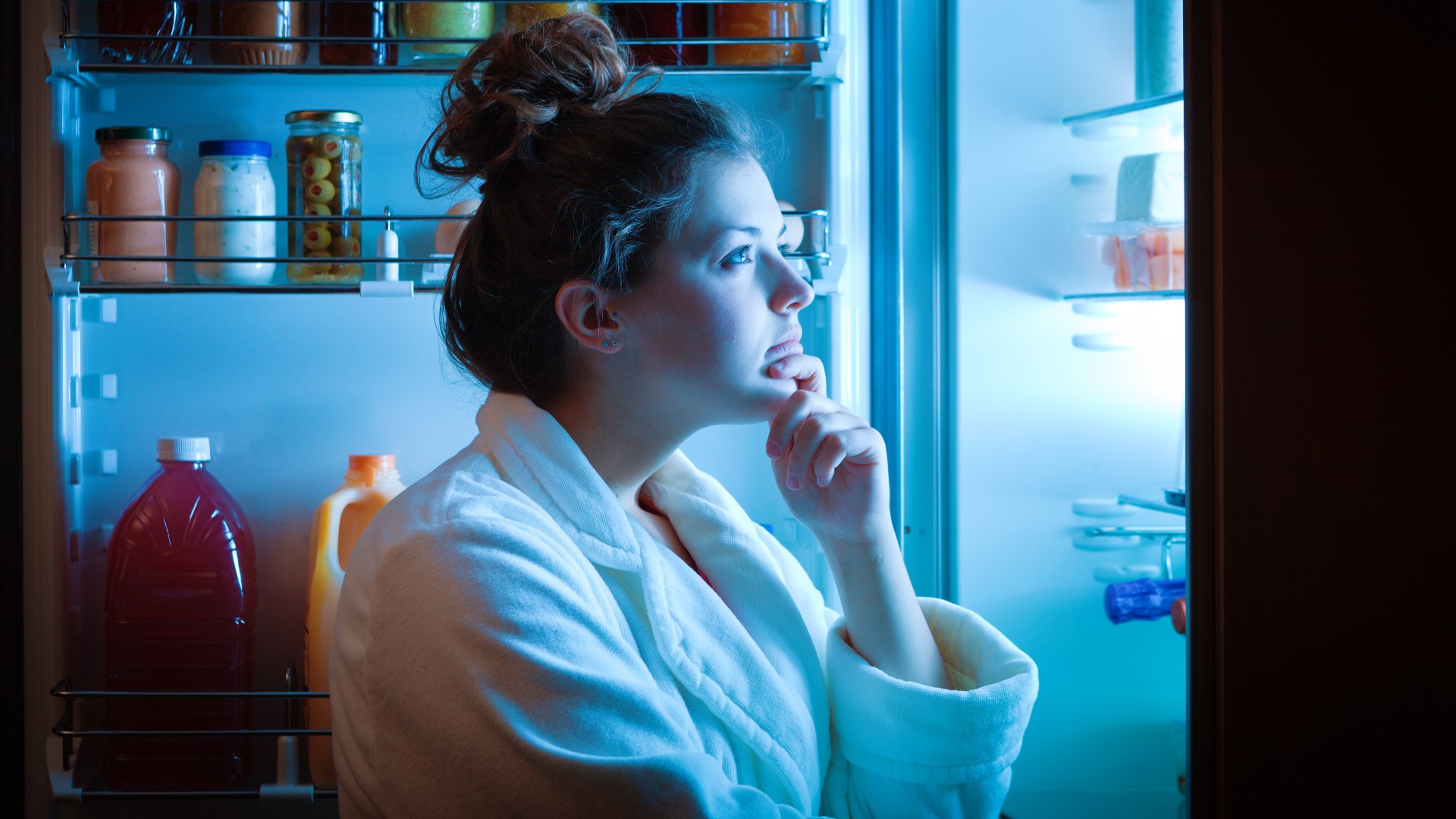
This article delves into the physiological reasons why you should close the kitchen at a set time each evening, exploring the metabolic, digestive, and sleep benefits of establishing a consistent nighttime fast.
Pillar I: The Metabolic Cost (Disrupted Processes)
When you eat late at night, your body is biologically programmed to store, not burn, the calories, leading to metabolic inefficiency and weight gain.
1. Hormonal Misalignment
The human body is governed by a circadian rhythm, which dictates when certain hormones are active. Eating late directly clashes with this rhythm, especially concerning insulin sensitivity.
- Impaired Insulin Response: Research suggests that the body is naturally less sensitive to insulin in the evening compared to the morning. When you consume food (especially carbohydrates) close to bedtime, the body struggles to process the glucose efficiently. This can lead to higher nighttime blood sugar levels, promote fat storage, and contribute to insulin resistance over time.
- Leptin and Ghrelin Disruption: Nighttime eating can confuse the hunger-regulating hormones. When you eat late, the production of leptin (the satiety hormone) and ghrelin (the hunger hormone) can be thrown off, potentially increasing morning hunger and perpetuating a cycle of late-night cravings.
2. The Storage Mechanism
Biologically, the body prepares for rest by slowing down the metabolism. Calories consumed during this period are treated differently than those consumed during active hours.
- Prioritizing Storage: Your body’s energy expenditure decreases significantly as you wind down. Food consumed close to sleep is less likely to be used for immediate energy and is preferentially shunted toward fat storage, even if the total daily calorie intake is the same.
- The Benefit of Fasting: Establishing a consistent “eating window” (often 12-14 hours, incorporating the overnight fast) allows the body to complete its digestive processes and switch into a repair and fat-burning state, leveraging the natural overnight fast.
Pillar II: The Sleep Sabotage (Rest and Recovery)
Eating right before sleep actively compromises the quality and restorative power of your sleep, even if you feel you fall asleep quickly.
3. Digestive Distress and Discomfort
Your digestive system is designed to slow dramatically when you lie down to sleep. Eating late forces it to work when it should be resting.
- Acid Reflux and GERD: Lying down soon after eating makes it easier for stomach acid to reflux back into the esophagus, causing heartburn, discomfort, and potentially contributing to conditions like Gastroesophageal Reflux Disease (GERD).
- Restless Sleep: Active digestion can prevent you from reaching the deeper, more restorative stages of sleep (REM and deep sleep). The energy your body expends on digesting food is energy diverted from crucial restorative processes, such as cellular repair and memory consolidation.
4. Disrupted Sleep Architecture
The metabolic activity triggered by late-night eating can cause subtle but significant shifts in your core body temperature and hormone release, affecting sleep quality.
- Temperature Regulation: Digesting food, particularly protein and fat, elevates the body’s core temperature. Optimal sleep requires a slight drop in core temperature. This elevation can cause restless sleep and lead to premature waking.
Pillar III: Establishing the Nighttime Fast (Actionable Steps)
Creating a sustainable boundary between your last meal and bedtime is key to realizing these health benefits.
5. Set a Strict Kitchen Closing Time
The simplest solution is a non-negotiable rule. Aim to finish all eating and calorie consumption 2 to 3 hours before your scheduled bedtime.
- The Cut-Off Time: If you go to bed at 11:00 PM, the kitchen is closed by 8:00 PM. Use this time to establish calming evening rituals (reading, stretching) that replace eating as a source of comfort.
- Hydration Replacement: If you feel the urge to snack, drink a glass of water or unsweetened herbal tea instead. Thirst is often mistaken for hunger.
6. Optimize Your Last Meal
Ensure your final meal is satisfying enough to carry you through the nighttime fast.
- Prioritize Protein and Fiber: A final meal that is balanced with lean protein and high-fiber vegetables is the most effective way to promote long-lasting satiety and stabilize blood sugar until morning. This prevents the severe blood sugar drop that can trigger late-night hunger pangs.
Conclusion: The Gift of Rest and Repair
Refraining from eating just before sleep is not a form of dietary restriction; it is an act of strategic self-care and metabolic efficiency. By respecting your body’s natural circadian rhythm and establishing a clear nighttime fast, you enable deeper, more restorative sleep, improve insulin sensitivity, and naturally optimize your body for fat burning and repair.
The reward for closing the kitchen early is not just better weight management, but a profound improvement in daily energy, mental clarity, and overall well-being.