In the modern fitness world, we are constantly bombarded with new exercise trends, high-tech gym gadgets, and complicated workout routines. While variety can keep fitness fun, it often creates confusion. Many people spend hours in the gym performing isolated exercises that yield minimal results. If your goal is to maximize your time, burn fat, build lean muscle, and improve your overall functional health, the secret lies in focusing on human movement patterns that recruit multiple muscle groups simultaneously.
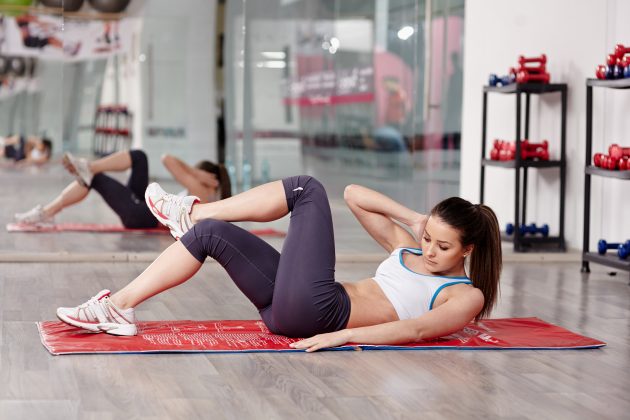
The most effective workouts are those that offer a high return on investment. By focusing on compound movements—exercises that require more than one joint to move at a time—you stimulate more muscle fibers, spike your heart rate, and trigger a greater metabolic response. This guide breaks down the seven most effective workouts you can perform to build a strong, resilient, and athletic body.
1. The Conventional Deadlift: The Ultimate Full-Body Pull
If you could only perform one exercise for the rest of your life to build raw strength, the deadlift should be your choice. Often called the king of all compound movements, the deadlift is a fundamental hinge pattern that lifts weight directly off the ground.
The deadlift targets your entire posterior chain, which includes your hamstrings, glutes, lower back, upper back, and traps. It also demands a tremendous amount of grip strength and core stability. Because it engages nearly every muscle from your calves to your neck, the deadlift triggers a massive hormonal response that promotes muscle growth and fat loss throughout the entire body.
2. The Barbell Back Squat: The Foundation of Lower-Body Power
While the deadlift rules the pulling movements, the squat is the undisputed champion of the lower-body push. It mimics a movement we perform every single day when sitting down and standing up, making it essential for functional longevity.
Squats primarily target the quadriceps, glutes, and adductors. However, keeping a heavy barbell balanced on your upper back also requires intense stabilization from your abdominal muscles and lower back. Regular squatting increases lower-body explosive power, strengthens the ligaments and tendons around the knees and hips, and burns an immense number of calories due to the massive size of the leg muscles involved.
3. High-Intensity Interval Training (HIIT): Maximum Cardiovascular Efficiency
You do not need to spend hours jogging on a treadmill to improve your cardiovascular health. High-Intensity Interval Training, or HIIT, involves short bursts of all-out, maximum effort followed by brief periods of active recovery.
A classic HIIT workout might involve 30 seconds of sprinting followed by 60 seconds of walking, repeated for 15 to 20 minutes. This style of workout creates an “afterburn effect,” known scientifically as Excess Post-exercise Oxygen Consumption (EPOC). This means your body continues to burn calories at an elevated rate for hours after your workout has finished, making it incredibly effective for fat loss.
4. The Overhead Press: Building Strong, Sculpted Shoulders
To build a balanced upper body, you must push weight vertically. The standing overhead barbell press, also known as the military press, is the finest exercise for this purpose.
While a bench press focuses on the chest, the overhead press shifts the load to the deltoids and triceps. Because you are performing this movement while standing up, your core, glutes, and legs must lock into place to keep you stable. This turns what looks like a simple shoulder exercise into a comprehensive total-body stabilization workout.
5. Pull-Ups and Chin-Ups: The Gold Standard for Upper-Body Pulling
Using your own body weight as resistance is one of the truest tests of physical fitness. The pull-up—performed with an overhand grip—and its close relative, the chin-up—performed with an underhand grip—are unmatched for building upper-back width and arm strength.
This movement targets the latissimus dorsi (the large muscles that create a V-taper look), the rhomboids, the traps, and the biceps. Mastering your own body weight through pull-ups improves your relative body strength and shoulder mobility far more effectively than using commercial pulldown machines.
6. The Push-Up: The Timeless Chest and Core Builder
No fitness routine is complete without the classic push-up. This calisthenics staple requires zero equipment, can be performed anywhere in the world, and is highly scalable for beginners and advanced athletes alike.
A proper push-up is essentially a moving plank. It targets your pectorals, anterior deltoids, and triceps, while forcing your rectus abdominis and glutes to stay engaged to maintain a straight spine. To increase the difficulty, you can elevate your feet on a bench or slow down the tempo of your movement.
7. The Loaded Carry: Real-World Functional Strength
The loaded carry, most commonly performed as the “Farmer’s Walk,” is as simple as it is effective. You pick up a pair of heavy dumbbells or kettlebells and walk a specific distance or for a set amount of time while maintaining perfect posture.
Loaded carries fill the gaps that other exercises miss. They build exceptional grip strength, reinforce shoulder blade stability, and force your deep core muscles to work overtime to keep your torso upright. This exercise directly translates to real-world tasks, such as carrying heavy luggage or bags of groceries with ease.
Conclusion
Building a fit, powerful, and healthy body does not require a complicated blueprint. By anchoring your fitness routine around these seven highly effective workouts—the deadlift, squat, HIIT, overhead press, pull-up, push-up, and loaded carry—you address every major movement pattern of the human body. Consistency, proper form, and progressive overload are the ultimate keys to success. Prioritize these foundational compound movements, give your body time to recover, and watch your strength and conditioning reach unprecedented heights.